
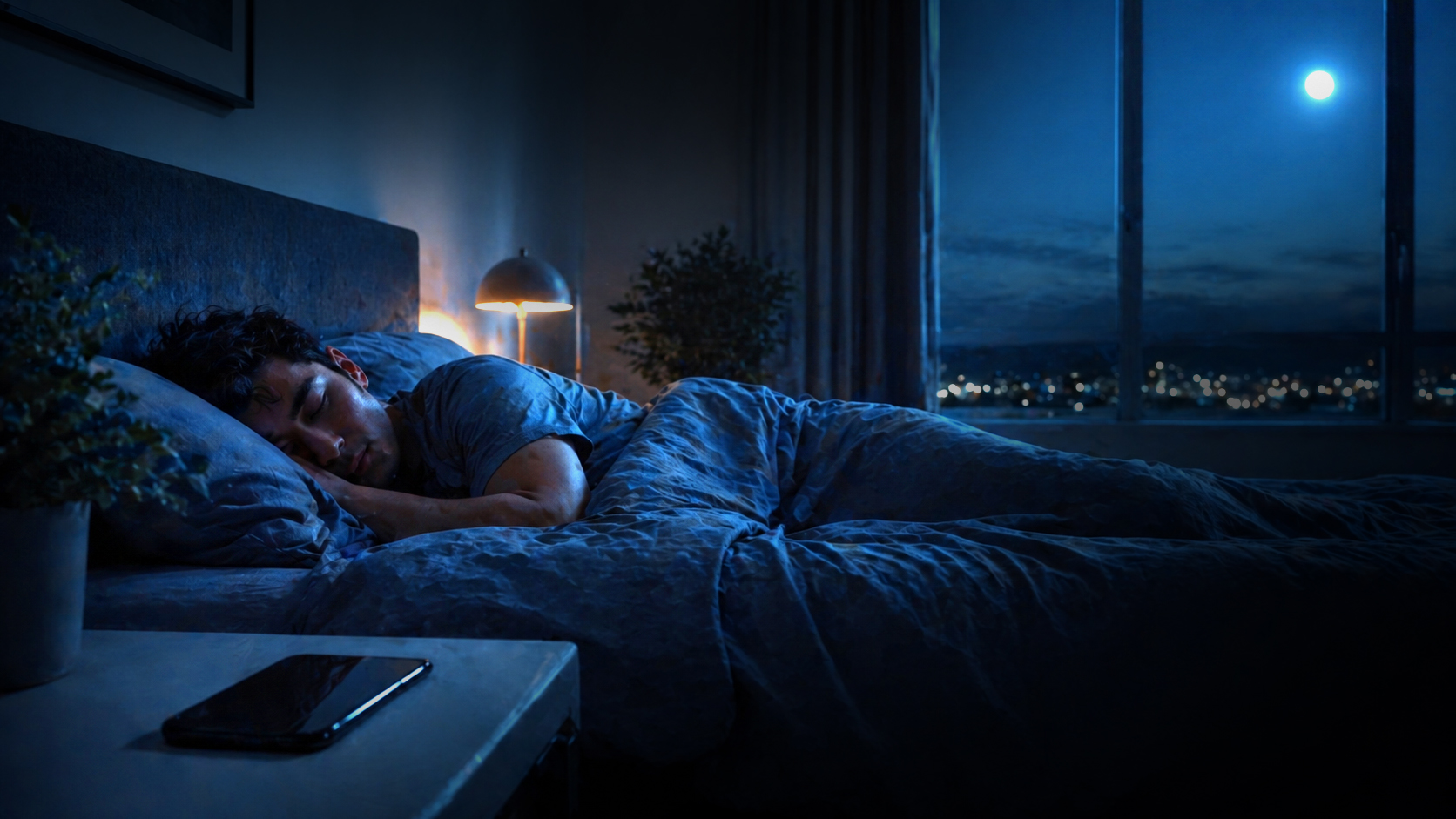
Sleep is no longer just about getting 8 hours. In 2026, the sleep conversation has shifted toward sleep optimization — a trend often called sleepmaxxing — where people use gadgets, routines, supplements, and unconventional habits to squeeze more recovery out of every night. The appeal is obvious: better sleep can improve mood, focus, weight control, recovery, and even long-term longevity. But not every viral hack is equally useful, and a few can be risky if used the wrong way.
What Sleepmaxxing Really Means
Sleepmaxxing is the idea of optimizing sleep quality, duration, timing, and environment instead of just hoping for better rest. Popular tactics include morning sunlight, a cool room, consistent bedtimes, magnesium stacks, NSDR, mouth taping, and even sleeping separately from a partner when snoring or schedule differences are ruining rest. The trend is viral because it feels practical, measurable, and deeply personal — people want to feel better tomorrow, not someday.
The Hacks People Are Talking About
Mouth taping
Mouth taping is meant to encourage nasal breathing, which may help some people snore less or breathe more comfortably at night. But it is not safe for everyone, especially if you have nasal congestion, sleep apnea, allergies, or breathing problems. If breathing feels restricted at all, skip it and talk to a clinician first.
Sleep divorce
“Sleep divorce” is when couples sleep separately to improve rest, and it’s more common than people think. Surveys show many adults sleep better alone, especially when snoring, restlessness, or different schedules are involved. Done respectfully, separate sleeping can improve both sleep and relationship quality.
Chronotype-based schedules
Not everyone is built to sleep and wake at the same time. Chronotype-based schedules align sleep routines with whether you’re naturally a morning or night person, which can improve sleep consistency and daytime energy. This is one of the most sustainable “hacks” because it works with your biology instead of fighting it.
Sleepmaxxing basics that actually help
The most evidence-backed parts of sleepmaxxing are still the boring ones: consistent sleep and wake times, a cool bedroom, morning light, and reduced screen time before bed. These are the habits that tend to produce the biggest results without gimmicks.
Why Sleep Matters Beyond Rest
Poor sleep affects far more than next-day energy. It is strongly tied to mood, anxiety, appetite regulation, weight gain, immune function, and recovery. That is why sleep is now treated as a core pillar of health, not just a lifestyle luxury. When sleep improves, almost everything else becomes easier.
The Smart Way to Start
If you want to try sleep optimization, start with the low-risk wins:
- Keep a consistent bedtime and wake time.
- Get morning sunlight within an hour of waking.
- Keep your room cool and dark.
- Stop scrolling at least 30–60 minutes before bed.
- Only test mouth taping if you breathe well through your nose and have no sleep-breathing issues.
The goal is not perfect sleep. The goal is better sleep you can actually maintain.
Sleepmaxxing is viral because people are desperate for deeper rest, clearer thinking, and better health. Some hacks are genuinely useful, some are situational, and some should be approached with caution. The smartest strategy is to build a sleep system that matches your body, your schedule, and your life — not just what is trending online.
-(2).png)
Comments 1
Leave a Comment